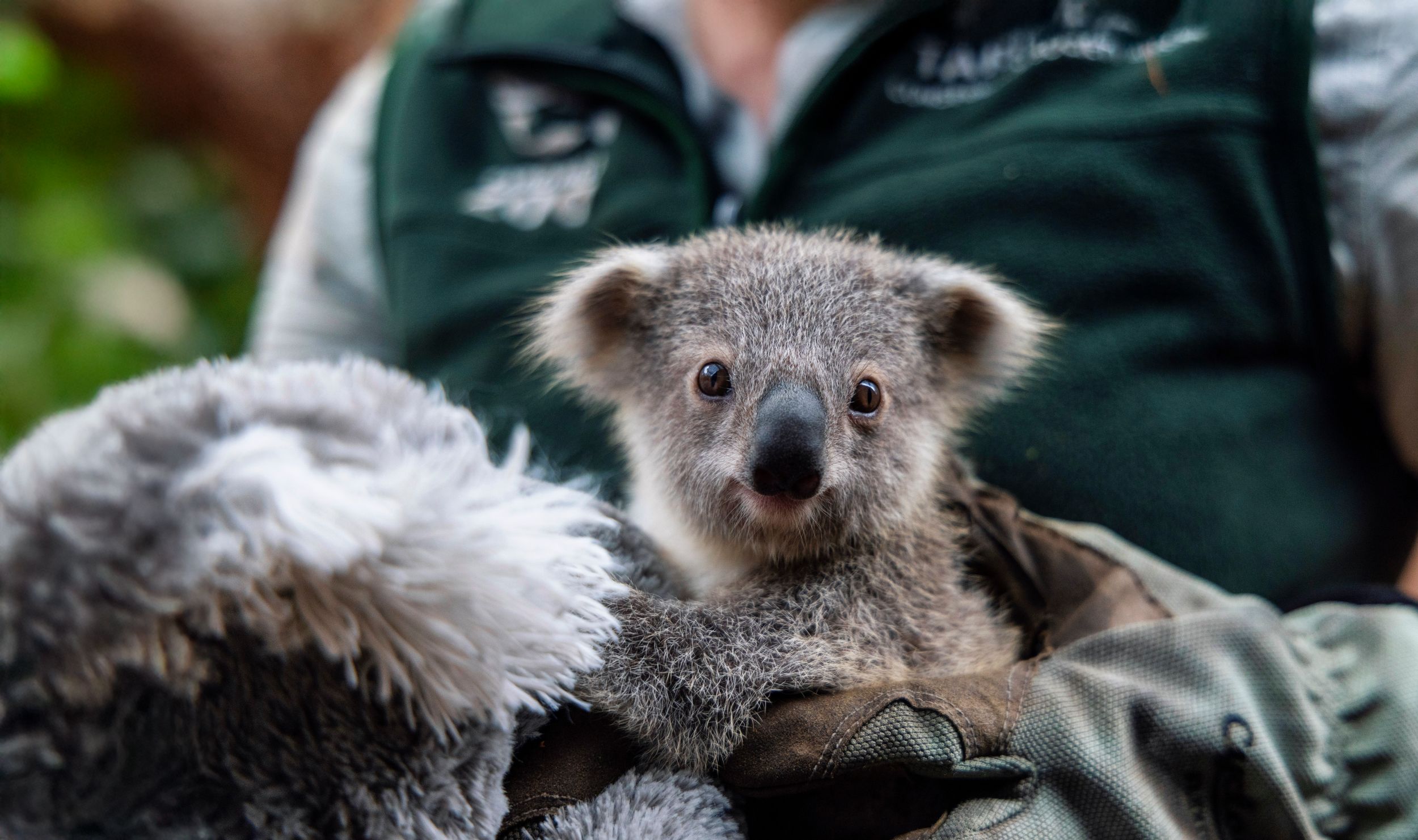
Taronga Zoo Sydney sits on the hillside of the Mosman headland, a twenty-eight hectare park ringed by eucalypts and the deep blue of Sydney Harbour. Open since 1916, it is one of Australia’s most active wildlife conservation organisations.
The name Taronga is taken from the Gadigal word for “beautiful view.” The park descends from a hilltop overlooking Sydney Harbour, and visitors typically walk downward through a sequence of habitats — past koalas, an Asian elephant family, giraffes, Tasmanian devils, and the wedge-tailed eagle aviary.
Taronga is, strictly speaking, not a zoo in the older sense but a wildlife conservation organisation with a public display area. The site houses Australia’s largest wildlife hospital — treating more than 1,700 injured wild animals each year — and leads several species-recovery programmes in Tasmania, New South Wales, and the Antarctic.

At the Koala Encounter walk you can watch animals from the southern New South Wales population at close range. Every koala on display is part of the park’s managed-breeding and pedigree register.
About the programme →
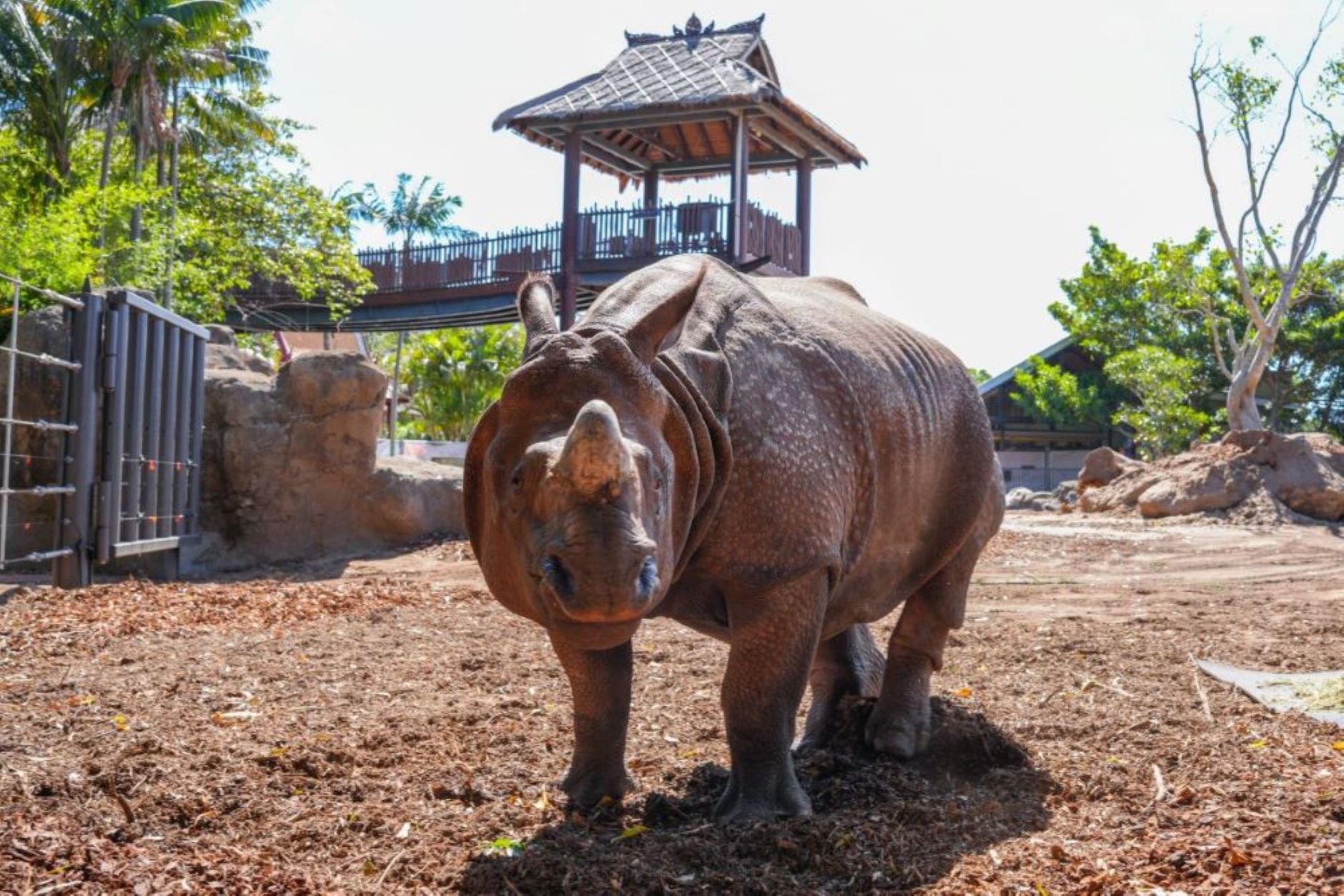
Taronga’s Asian elephants are part of an international coordinated breeding programme. The herd lives in two open hillside enclosures with Sydney Harbour as the backdrop.
Read about the herd →
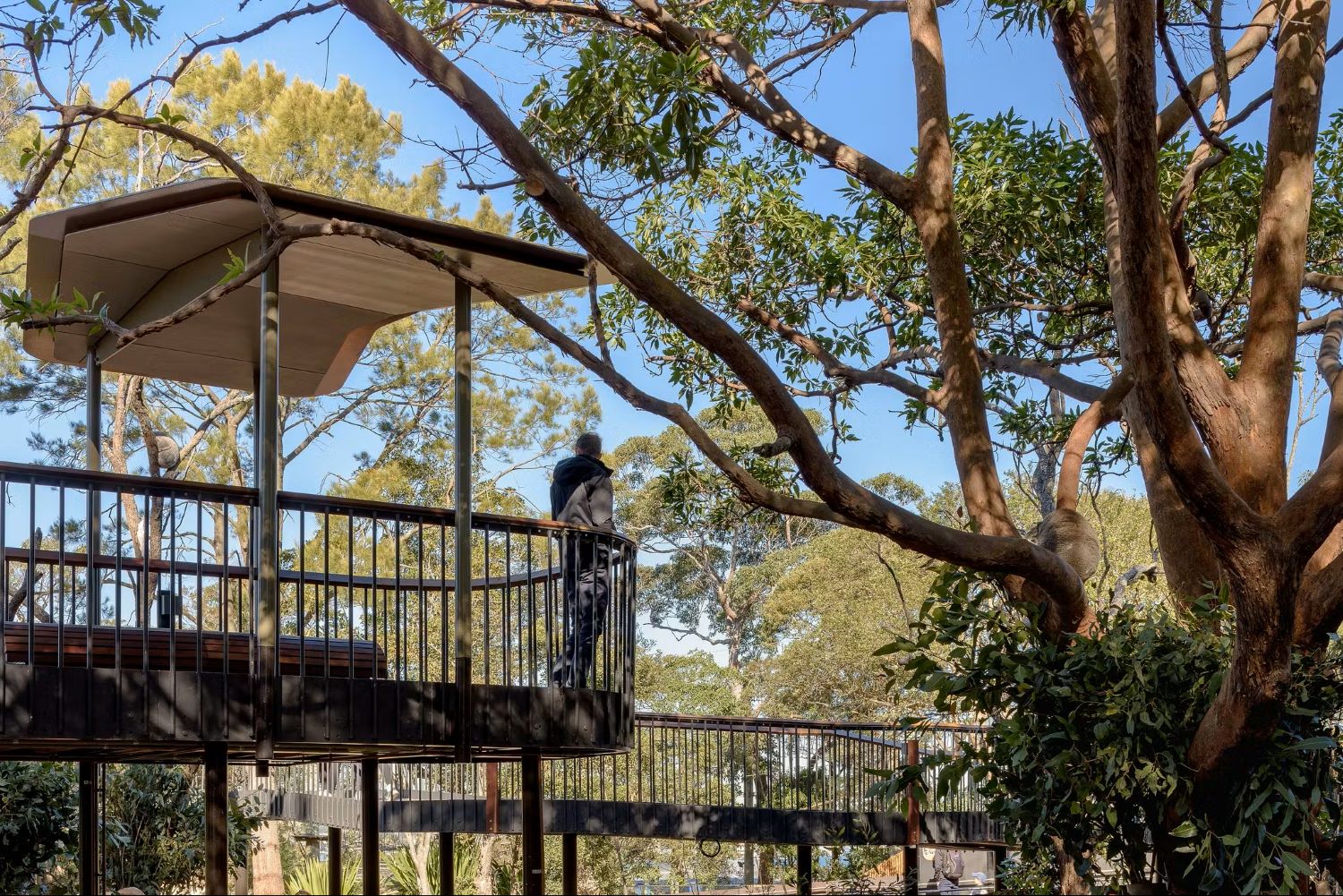
A long open path through eucalypts and native grasslands, where kangaroos, wallabies, emus, and black swans share the ground at low fences. The best introduction to Australian fauna.
Enter the Walkabout →
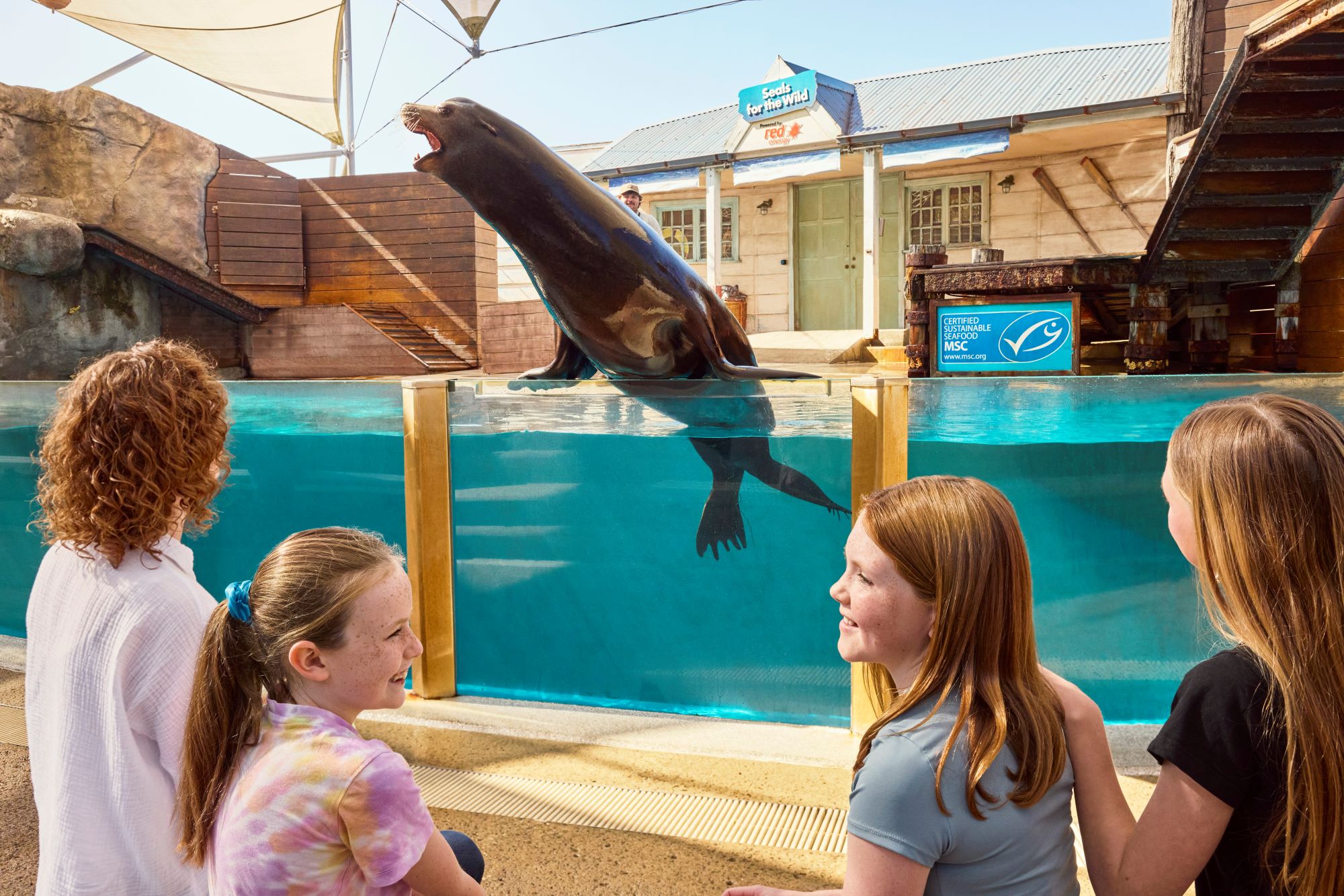
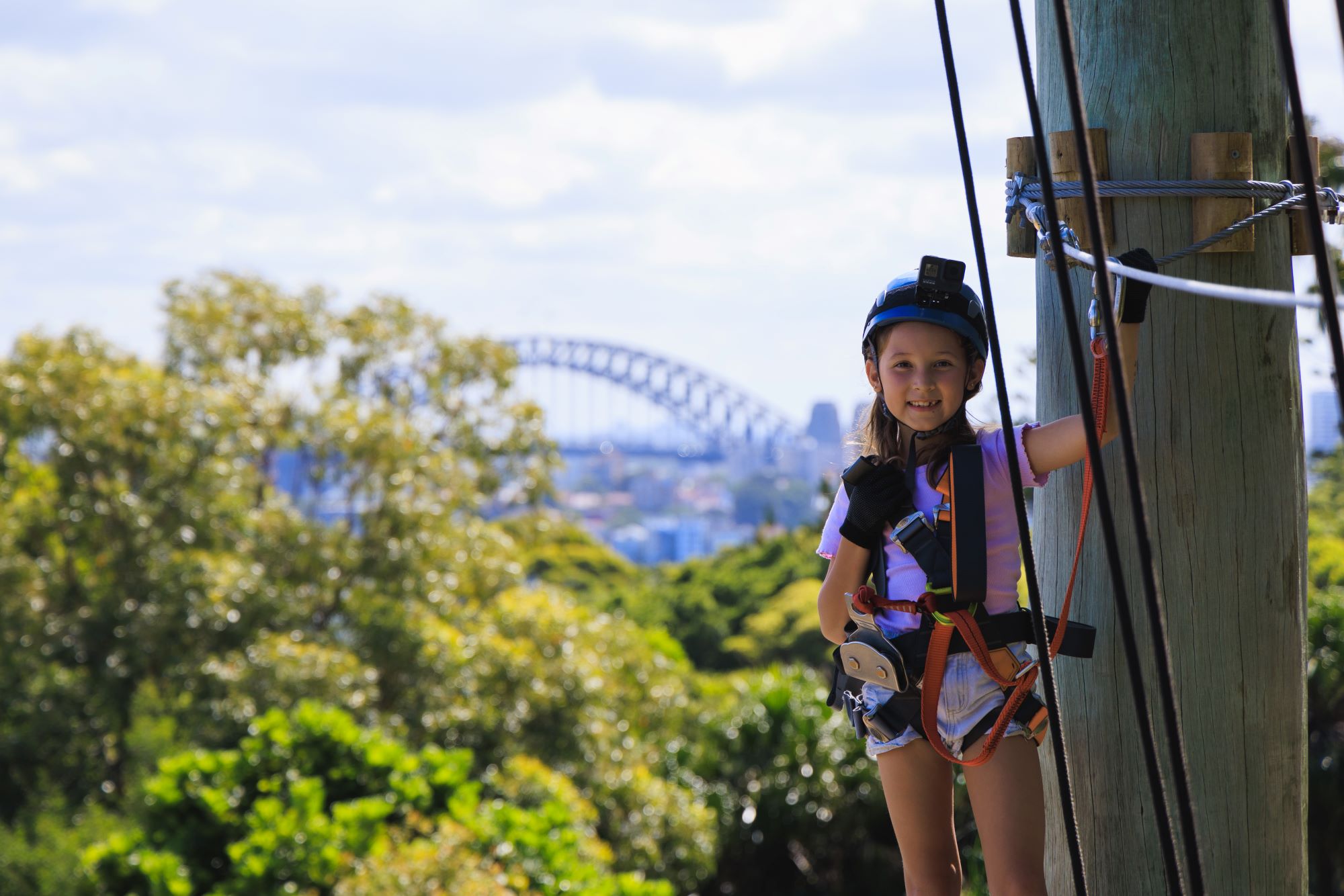
Taronga opened to the public on 7 October 1916, replacing the older Sydney Zoo at Moore Park (1879). The hillside layout and the funicular-style cable car have been continuously updated, but the route through the hill — the descent from the upper plateau to the harbour wharf — has not changed.
Taronga operates a research institute, a wildlife hospital, captive-breeding laboratories, and a sister park in Tasmania. Researchers work on long-term in situ and ex situ conservation of koalas, the Tasmanian devil (with the disease-resistant DFTD lineage), and the southern corroboree frog of the Australian Alps.
The hillside paths connect more than a dozen themed habitats — from Australian bush to South American rainforest, the African savannah, and coastal birds. The southern end of the park houses the Sky Safari upper station; most visitors walk downhill from there, a three- to four-hour visit.
Taronga is open every day of the year except Christmas. The most rewarding arrival is by Sydney Harbour ferry — twelve minutes from Circular Quay to Taronga Zoo Wharf. Wear comfortable shoes; the park is a steep hill and the best wander is from the top down.
How to get here